
Modern honey recipes transform nature’s golden nectar into the centerpiece of sophisticated cuisine, pairing its complex floral notes with international flavors and contemporary techniques to create dishes that command attention at any gathering. The process requires understanding honey’s unique behavior under heat, its interaction with acids and fats, and its capacity to balance savory profiles alongside sweet applications. Within 30 to 45 minutes, home cooks and event hosts can master honey-forward dishes that showcase this ingredient’s versatility, from glazed proteins to elegant desserts, using techniques refined through professional catering experience.
The shift toward raw honey elegance reflects broader culinary movements emphasizing ingredient transparency and artisanal quality. Varietal honeys such as lavender, chestnut, and buckwheat each contribute distinct flavor profiles that elevate simple preparations into memorable courses. These recipes accommodate diverse dietary restrictions, including gluten-free and refined sugar-free requirements, while maintaining the sophistication expected at premium gatherings. Fresh ingredients remain paramount, the quality of accompanying produce and proteins directly influences the final presentation and taste experience that defines modern honey cuisine in 2026.
Essential Ingredients and Equipment for Honey-Based Cooking
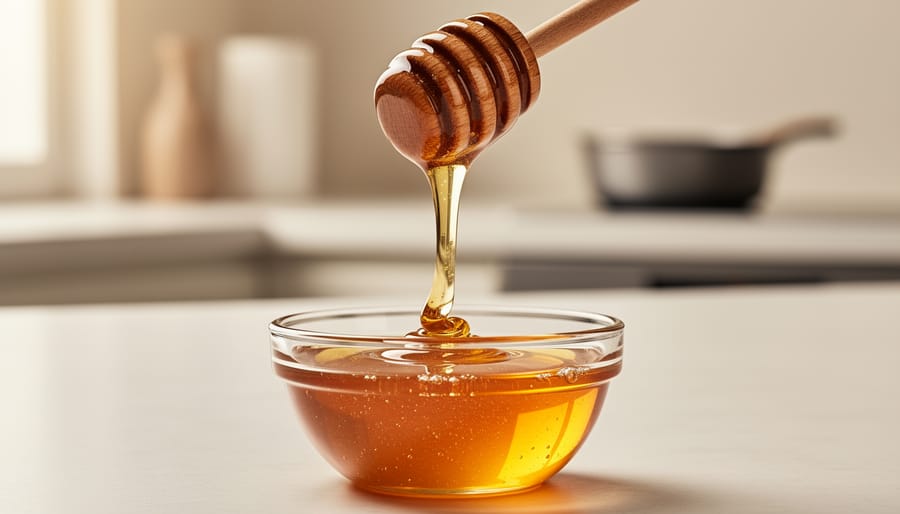
Selecting Premium Honey Varieties
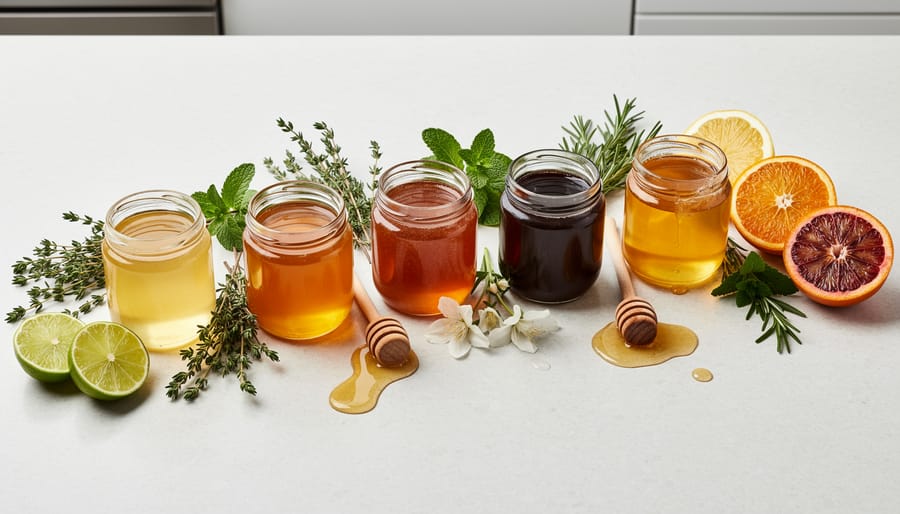
Artisanal varietal honeys transform modern recipes from standard to exceptional through their distinctive flavor profiles and aromatic qualities. Unlike blended commercial honey, single-source varieties carry the essence of their botanical origin, adding layers of complexity that complement specific ingredients and culinary applications.
Wildflower honey offers the most versatility for everyday elegant cooking, with a balanced, medium-bodied sweetness that works beautifully in marinades and glazes without overwhelming delicate proteins. Its floral notes enhance both savory dishes and desserts, making it ideal for catered events where one honey must serve multiple courses.
Acacia honey’s pale color and mild, clean sweetness make it perfect for refined desserts and vinaigrettes where you want honey’s texture without assertive flavor. It won’t crystallize quickly, which matters for plated desserts that need to hold at room temperature during service.
Buckwheat honey brings bold, almost molasses-like intensity with malty undertones. Reserve it for robust applications: glazing root vegetables, pairing with aged cheeses, or incorporating into dark chocolate desserts where its assertive character becomes an asset rather than a distraction.
Lavender honey adds sophisticated floral notes to crème brûlée, panna cotta, and fresh fruit presentations, though use it sparingly, its perfumed quality can easily dominate subtler ingredients.
Complementary Fresh Ingredients
Fresh herbs like thyme, rosemary, basil, and mint create aromatic complexity when paired with honey’s natural sweetness. Citrus, particularly lemon, orange, and grapefruit, adds bright acidity that prevents honey-based dishes from becoming cloying. Seasonal fruits such as figs, pears, stone fruits, and berries provide textural contrast and complement honey’s caramelized notes beautifully.
Quality extra-virgin olive oil and finishing oils like walnut or pistachio enhance honey’s richness without overwhelming delicate flavor profiles. International spices, cardamom, star anise, sumac, and za’atar, introduce sophisticated depth that transforms simple recipes into memorable culinary experiences. When sourcing gourmet ingredients for honey-based dishes, prioritize freshness and origin. Farmers’ markets offer peak-season produce, while specialty purveyors provide authentic spices with pronounced aromatic qualities. These carefully selected components work synergistically with artisanal honey to create modern recipes that feel both elegant and intentional.
Important Considerations and Safety Guidelines
Temperature and Texture Management
Honey’s molecular structure changes dramatically when heated above 40°C (104°F), causing beneficial enzymes to break down and delicate flavor compounds to dissipate. For glazes and marinades, apply honey-based mixtures during the final minutes of cooking rather than throughout, this preserves both nutritional integrity and the complex flavor notes that distinguish premium varieties. When honey crystallizes in storage, gently warm the container in a water bath between 35-40°C; never microwave, as uneven heating creates hot spots that degrade quality. For recipes requiring liquid consistency, combine honey with warm (not hot) liquids first to ensure smooth incorporation. Cold honey becomes viscous and difficult to measure accurately, so bring it to room temperature before use. Store opened honey at stable room temperature in airtight containers to prevent moisture absorption, which accelerates fermentation and alters texture unpredictably.
Accommodating Dietary Restrictions
Honey presents unique considerations when accommodating dietary restrictions at catered events and private gatherings. For vegan guests, maple syrup or agave nectar can substitute honey in equal proportions, though expect slightly different flavor profiles, maple adds earthiness while agave brings a more neutral sweetness. Date syrup offers rich, caramel notes particularly suited to Middle Eastern-inspired dishes.
When guests seek refined-sugar-free options, pure honey already serves this preference naturally. However, some strict interpretations exclude all concentrated sweeteners, requiring fruit-based alternatives like reduced apple juice or pomegranate molasses.
Clear communication proves essential for successful event execution. Label buffet items containing honey prominently, and brief service staff on all honey-based components in plated courses. For guests with severe bee-sting allergies, note that honey consumption rarely triggers reactions, but always defer to individual medical guidance and offer clearly marked alternatives.
Step-by-Step Process for Crafting Modern Honey Recipes
Building Honey-Based Marinades and Glazes
Start with a one-to-one honey-to-acid ratio as your foundation, then adjust based on the protein or vegetable you’re glazing. For poultry and pork, combine three tablespoons of premium honey with three tablespoons of fresh lemon juice, a tablespoon of quality olive oil, and minced garlic. This base accepts international flavors seamlessly.
For miso-honey glazes ideal with salmon, whisk two tablespoons white miso into your honey-acid base until completely smooth, the umami depth balances honey’s sweetness without overwhelming delicate fish. Harissa-honey works beautifully on lamb and roasted carrots: start with one teaspoon harissa paste per three tablespoons honey, taste, then add more heat as desired. The smokiness complements caramelization during cooking.
Citrus-herb combinations suit vegetables and lighter proteins. Combine honey with orange zest, fresh thyme, and a splash of white wine vinegar for Brussels sprouts or chicken breast. Always taste your glaze before applying, it should coat the back of a spoon and deliver balanced sweet, acid, and savory notes in each bite.
Apply glazes during the final five to seven minutes of cooking to prevent burning while achieving proper caramelization and gloss.
Crafting Honey-Infused Appetizers and Small Plates
Start with a base that balances sweetness and texture. For burrata with honey, arrange room-temperature cheese on individual plates, drizzle with wildflower or acacia honey, then finish with torn basil, cracked black pepper, and flaky sea salt. The contrast between creamy cheese and honey’s viscosity creates an immediate sensory impact suitable for honey for events requiring refined first impressions.
Honey-roasted nuts demand precise temperature control. Toss raw almonds, walnuts, or pecans with honey thinned slightly with olive oil, add smoked paprika or cardamom, then roast at 325°F for twelve to fifteen minutes, stirring halfway. Cool completely on parchment to achieve the signature crystallized coating that holds without stickiness.
For glazed vegetables, reduce honey with balsamic vinegar and fresh thyme until syrupy, then toss with roasted carrots, Brussels sprouts, or butternut squash just before plating. The glaze should coat lightly, not pool. Garnish with microgreens or toasted seeds for visual contrast and textural variety that elevates these starters beyond simple appetizers.
Developing Honey-Centered Main Courses
Developing a honey-centered main course begins with selecting a protein or plant-based foundation that will showcase honey’s natural caramelization. For honey-lacquered salmon, start by patting the fillets dry and scoring the skin lightly. Whisk together three parts honey with one part soy sauce, fresh ginger, and a squeeze of lime. Brush this glaze onto the salmon during the final five minutes of roasting at 400°F, allowing the sugars to caramelize without burning.
Honey-brined poultry requires advance preparation. Dissolve half a cup of honey in four cups of water with kosher salt, peppercorns, and fresh thyme. Submerge the poultry for four to twelve hours, depending on size. This brine infuses moisture while creating a golden, lacquered exterior when roasted.
For plant-based mains, consider roasted cauliflower steaks glazed with honey, harissa, and tahini. Sear the cauliflower first to develop color, then brush with the honey mixture and finish in a hot oven. The honey’s sugars create a beautiful caramelized crust that elevates the vegetable to centerpiece status, perfect for accommodating diverse dietary preferences at elegant gatherings.
Designing Contemporary Honey Desserts
Contemporary honey desserts showcase honey’s natural elegance while moving beyond familiar pastries and cakes. These refined preparations highlight honey’s floral complexity and silken texture in ways that suit upscale events and discerning home dining.
Honey panna cotta offers a canvas for seasonal fruit, the set cream gains subtle sweetness from wildflower or acacia honey, while fresh berries, poached pears, or citrus segments provide bright contrast. The gentle set allows honey’s character to shine without overwhelming the palate.
Honey-lavender crème brûlée elevates the classic with aromatic depth. Infuse cream with dried lavender before whisking in egg yolks and lavender honey, then torch a thin sugar layer at service for textural contrast. The burnt sugar plays beautifully against honey’s warmth and lavender’s herbal notes.
Deconstructed baklava reimagines tradition through modern plating. Layer house-made phyllo shards with honey-spiced nuts, a quenelle of honey-Greek yogurt mousse, and a drizzle of reduced honey syrup infused with orange blossom water. This approach delivers familiar flavors in an unexpected, elegant form that suits plated dessert service at catered occasions.
Each preparation respects honey’s nuanced sweetness while creating visual impact and sophisticated flavor experiences.
Flavor Pairing Techniques for Elevated Results
Sweet and Savory Balance
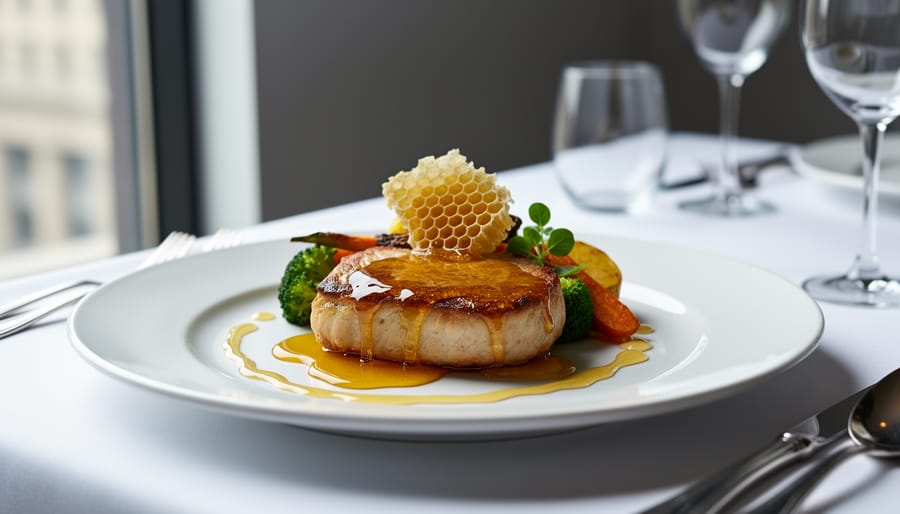
Achieving sweet-savory equilibrium transforms honey from a simple sweetener into a sophisticated flavor bridge. Start by tasting your honey’s intensity, delicate acacia balances robust aged Manchego, while assertive buckwheat honey stands up to prosciutto’s saltiness. Apply honey sparingly at first, building gradually until sweetness enhances rather than masks the savory element’s character. Consider textural contrast: drizzle warm honey over cold burrata to create temperature interplay, or fold crystallized honey into creamy blue cheese for dimensional mouthfeel. For fermented ingredients like miso or kimchi, honey’s natural sugars temper sharp umami notes without dulling complexity. This culinary artistry requires thoughtful restraint, the goal is harmonious conversation between elements, not honeyed dominance.
International Flavor Inspirations
Middle Eastern cuisine offers sophisticated honey-date combinations that create deep, complex sweetness, blend chopped Medjool dates with warm honey and orange blossom water for elegant dessert components, or combine honey with tahini and pistachios for refined spreads and glazes. Asian traditions inspire balanced honey-soy glazes: mix quality soy sauce with honey, fresh ginger, and rice vinegar for lacquered salmon or roasted vegetables that deliver umami depth alongside caramelized sweetness. Mediterranean pairings showcase honey with fresh thyme, rosemary, and lemon zest, drizzle thyme-infused honey over grilled halloumi or whipped feta, or create honey-lemon vinaigrettes with crushed herbs for seasonal salads. Each regional approach demonstrates how honey adapts to bold spices, fermented elements, and aromatic herbs, transforming familiar ingredients into dishes with genuine cultural resonance and contemporary appeal for discerning guests.
Verification and Perfecting Your Honey Creations
Tasting and Adjusting for Balance
Before presenting your honey creation, conduct a methodical tasting to ensure every element works in concert. Start by evaluating sweetness intensity, honey should enhance rather than overwhelm. If a glaze tastes cloying, balance it with fresh lemon juice or a splash of quality vinegar. For marinades, assess whether the honey’s sweetness complements the protein’s natural flavors or masks them.
Check acidity next. Dishes requiring brightness, like honey-citrus salmon or herb-infused appetizers, need sufficient acid to cut through honey’s richness. Taste a small portion at serving temperature, as warmth amplifies sweetness while cold mutes it.
Finally, consider texture and finish. A successful honey dish should leave a clean, lingering impression rather than heavy sweetness. If balance feels off, adjust incrementally: add acid for brightness, salt to deepen flavors, or fresh herbs for aromatic lift. Document successful ratios for consistent replication at events.
Scaling Recipes for Events and Catering
Scaling honey recipes for catered events requires careful planning to preserve the delicate balance and freshness that make them impressive at any volume. When adapting recipes from home portions to serve 50 or 200 guests, increase quantities proportionally but prepare honey glazes and drizzles in smaller batches throughout service rather than one large batch that may thicken or separate. For weddings and corporate functions, test your scaled recipe at the intended volume at least one week prior, noting how honey’s viscosity changes when tripled or quintupled and adjusting your technique accordingly.
Timing is critical for maintaining quality. Prepare honey marinades and brines the night before, but apply final honey glazes to proteins or vegetables within 30 minutes of service to ensure optimal caramelization and sheen. For appetizers like honey-drizzled burrata or honey-roasted nuts, assemble components in advance but add fresh honey accents immediately before plating. Store bulk honey at room temperature in easily accessible containers, and designate a team member to monitor consistency throughout the event, gently warming honey if it begins to crystallize.
When you elevate your menu with honey-based dishes at scale, factor in equipment needs: multiple squeeze bottles for controlled drizzling, warming trays set to gentle heat, and backup ingredients for last-minute adjustments ensure every plate meets your standards from the first guest to the last.
Frequently Asked Questions About Modern Honey Recipes
Working with honey in contemporary cuisine raises practical questions that even experienced cooks encounter regularly. Understanding measurement conversions, storage solutions, and ingredient alternatives ensures consistent results when creating modern honey recipes for both intimate dinners and larger catered events.
How do I substitute honey for refined sugar in existing recipes?
Use three-quarters cup of honey for every cup of sugar, and reduce liquid ingredients by about one-quarter cup to maintain proper consistency. Lower oven temperature by 25°F since honey caramelizes more quickly than sugar.
What causes honey to crystallize and how can I restore it?
Crystallization occurs naturally when glucose separates from the honey solution, particularly in cooler storage conditions. Gently warm the container in a water bath at low temperature until crystals dissolve, avoiding high heat that degrades flavor compounds.
Can I prepare honey-based glazes and marinades ahead of time?
Most honey marinades and glazes hold well refrigerated for three to five days in airtight containers. Bring to room temperature before use and whisk thoroughly, as separation may occur during storage.
What are suitable vegan alternatives that maintain honey’s texture in recipes?
Agave nectar offers similar viscosity and sweetness for dressings and glazes, while date syrup provides deeper caramel notes for marinades and desserts. Adjust quantities slightly as these alternatives vary in sweetness intensity.
How should I store opened honey to preserve quality for event preparation?
Keep honey in a tightly sealed container at room temperature away from direct sunlight and moisture. Proper storage maintains flavor integrity and prevents fermentation for up to two years.
When should I add honey during cooking to preserve its delicate flavors?
Add honey toward the end of cooking for dishes where you want to showcase its distinct floral notes. For glazes requiring caramelization, apply honey during the final stages of roasting to develop complexity without burning.
These considerations become particularly important when scaling recipes for weddings and corporate events, where consistency across multiple servings matters. Mastering these fundamentals allows you to confidently adapt modern honey recipes to various dietary requirements and presentation contexts while maintaining the sophisticated results your guests expect.