
Cooking lobster at home centers on three essential techniques: boiling, steaming, and sous vide. Each method delivers tender, sweet meat when executed with care, transforming this premium ingredient into an unforgettable centerpiece for intimate gatherings or celebratory dinners. The process demands attention to timing and temperature, but the reward is a dish that embodies culinary artistry on your own table.
Boiling remains the most accessible approach. Prepare a large stockpot with salted water or seawater, bring it to a full rolling boil, then plunge each lobster headfirst into the pot. Cover and simmer for seven to ten minutes per pound, though exact timing varies with size and quantity. Steaming offers a gentler alternative that preserves moisture, while sous vide cooking between 120°F and 140°F provides precise control over texture, from delicate and buttery at lower temperatures to firm and traditional at higher settings.
Success lies in understanding your equipment, respecting the ingredient’s quality, and accommodating your guests’ preferences. Whether you’re preparing a classic New England feast or exploring contemporary preparations, mastering these foundational techniques ensures consistently excellent results that honor the lobster’s natural sweetness and delicate flesh.
Essential Tools and Fresh Ingredients
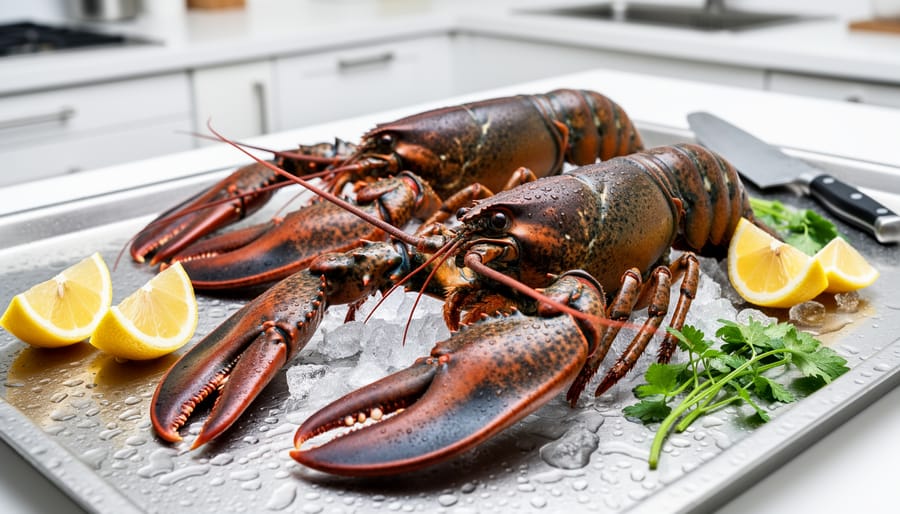
Preparing lobster for an elegant gathering begins with assembling the right equipment and selecting premium ingredients. The essentials are straightforward, but attention to quality makes the difference between adequate and exceptional results.
Start with a large stockpot, one spacious enough to comfortably accommodate your lobsters without crowding, as cramped conditions lead to uneven cooking. You’ll need sturdy kitchen tongs for safe handling, a reliable timer to monitor cooking duration, and sea salt or high-quality salt for seasoning the water. For those exploring contemporary techniques, an immersion circulator and vacuum sealer open the door to sous vide preparation.
- Large stockpot sized for the number of lobsters you’re cooking
- Long-handled tongs for safe handling
- Kitchen timer
- Sea salt or quality salt
- Fresh live lobsters (1 to 1.5 pounds per person)
- Immersion circulator and vacuum sealer for sous vide (optional)
The lobsters themselves demand careful selection. Choose specimens that are lively and active, with tails that curl tightly when lifted, signs of freshness and vitality. Plan for 1 to 1.5 pounds of lobster per guest, a portion that balances generosity with refined presentation. Avoid any lobster that appears sluggish or limp; vitality translates directly to flavor and texture on the plate. Fresh, properly handled ingredients are non-negotiable when your goal is restaurant-caliber dining that impresses discerning guests at weddings, corporate events, and intimate celebrations.
Safety and Preparation Considerations
Working with live lobsters requires careful attention to both safety and timing to ensure an exceptional dining experience. Handle lobsters by gripping the body behind the claws, keeping fingers clear of the pincers, even banded claws can shift unexpectedly. Select a stockpot large enough to fully submerge each lobster with room for water to circulate freely; overcrowding raises the risk of overflow when lobsters are added and compromises even cooking.
Store live lobsters in the refrigerator as soon as you bring them home, covered loosely with a damp cloth to maintain moisture without suffocating them. Never place them in airtight containers or submerge them in fresh water, which will kill them prematurely. For optimal freshness and flavor, cook lobsters the same day you purchase them, this timing consideration is particularly important for catered events where quality cannot be compromised. If you must hold them overnight, check that each lobster remains active and responsive before cooking; discard any that have expired during storage. These preparation practices ensure not only your safety but also the refined, delicate results that elevate any gathering into a memorable culinary experience.
The Traditional Boiling Method
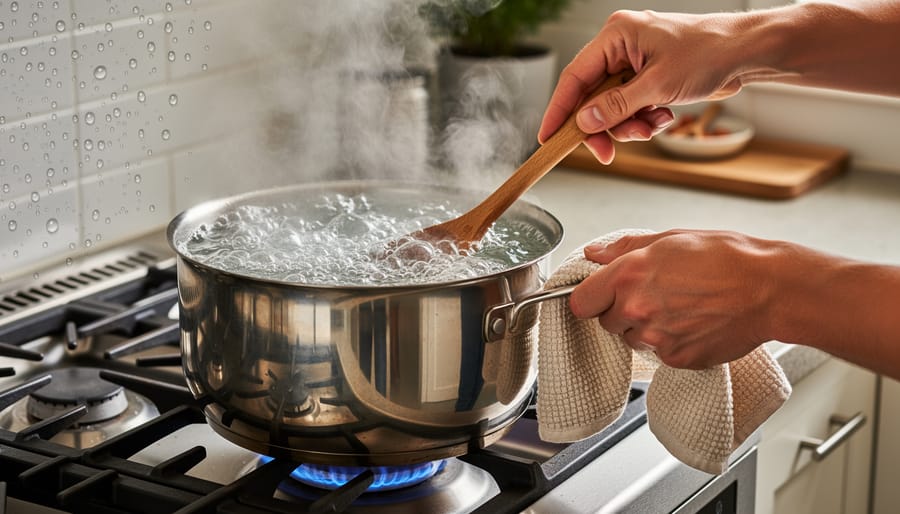
Boiling remains the most recognized method for cooking lobster, delivering consistently delicious results when you follow the proper sequence. The technique centers on creating the right environment in your pot and managing heat carefully to achieve tender, flavorful meat.
Start by selecting a stockpot large enough to comfortably hold your lobsters with room for water circulation. Fill the pot with salted water, you can use sea salt or actual seawater if available, leaving sufficient space at the top to prevent overflow when the lobsters go in. The salt enhances the natural sweetness of the meat while seasoning it from the outside.
- Bring the salted water to a full rolling boil over high heat, ensuring vigorous bubbling before proceeding.
- Grasp each lobster firmly behind the claws and plunge it headfirst into the boiling water quickly and confidently.
- Cover the pot immediately after adding all lobsters to retain heat and steam.
- Reduce the heat slightly to maintain a steady simmer rather than a violent boil.
- Simmer for 7-10 minutes for the first pound, adjusting upward for larger lobsters without adhering to rigid formulas.
Watch for visual cues that signal doneness. The shell transforms from mottled greenish-brown to a brilliant, vibrant red. When you remove a lobster with tongs, the meat inside should appear opaque white with delicate pink tones, and the texture should feel firm yet yielding when gently pressed.
Timing flexibility matters because lobster size, pot dimensions, and how many you cook simultaneously all influence the process. A one-pound lobster requires less time than a two-pounder, but exact minute-per-pound calculations oversimplify what is essentially a visual and tactile judgment.
After removing the lobsters from the pot, let them rest for two to three minutes before serving. This brief pause allows residual heat to finish the cooking gently and makes handling safer. For elegant presentations at catered events, arrange the lobsters on platters immediately, or transfer them to an ice bath if you plan to serve them chilled later.
Steaming for Tender, Delicate Results
Steaming offers a gentler alternative to boiling, coaxing exceptionally tender, succulent meat from the shell without the vigorous agitation of rolling water. The technique relies on moist heat rather than direct immersion, preserving the lobster’s natural moisture and producing a texture many consider superior for refined presentations. For catered events where every detail matters, steaming delivers consistent results that showcase the ingredient’s delicate sweetness.
The difference lies in the cooking environment. While boiling surrounds the lobster in turbulent, high-temperature water, steaming suspends it above simmering liquid, allowing steam to circulate gently around the shell. This indirect heat penetrates the meat more gradually, reducing the risk of overcooking and maintaining the lobster’s tender character. The result is meat that pulls cleanly from the shell and offers a luxurious, almost buttery mouthfeel.
To set up for steaming, use a large stockpot fitted with a steaming rack or basket that elevates lobsters above the water level. Add salted water to the bottom of the pot, enough to generate ample steam throughout the cooking process without touching the lobster itself. Bring the water to a vigorous boil before carefully placing the lobsters on the rack, then cover tightly to trap the steam.
Timing depends on lobster size, with smaller specimens requiring less time than larger ones. Monitor the lobsters as they cook, watching for the shell to turn bright red and the meat to become opaque. Steaming generally takes slightly longer than boiling, but the trade-off is meat that remains tender and moist rather than tough or rubbery. For events where presentation and texture define the experience, this method consistently delivers restaurant-quality results that honor the ingredient’s premium status.
Sous Vide: Precision Cooking for Contemporary Elegance
Sous vide offers unparalleled precision for cooking lobster, making it particularly appealing to professional caterers and accomplished home cooks who demand consistent results across multiple servings. This technique involves vacuum-sealing lobster tails or claws and immersing them in a temperature-controlled water bath, eliminating the guesswork that accompanies traditional methods. The result is exquisitely tender meat with a refined texture that elevates any sophisticated gathering.
The beauty of sous vide lies in its temperature options, each creating a distinct dining experience. At 120°F, the meat achieves a rare, almost custard-like consistency with extraordinary butteriness that showcases the lobster’s natural sweetness. This lower temperature appeals to guests seeking a contemporary interpretation of this classic ingredient. At 131°F, you’ll find the preferred balance, meat that’s fully cooked yet exceptionally tender, with a silky mouthfeel that many consider ideal. For those who prefer a texture closer to traditionally prepared lobster, 140°F delivers firmer, more familiar results while retaining the moisture advantages of the sous vide method.
The process begins with vacuum-sealing your lobster portions, which protects the delicate meat and ensures even heat distribution throughout. Cooking duration varies based on the size and thickness of your portions, but the controlled environment means you can hold lobster at the target temperature without risk of overcooking, a significant advantage when coordinating timing for wedding receptions or corporate events where service schedules may shift.
This method’s consistency makes it invaluable for catered occasions serving multiple guests. Every portion emerges identical in texture and doneness, ensuring each guest experiences the same exceptional quality that defines memorable events.
Verifying Doneness and Serving
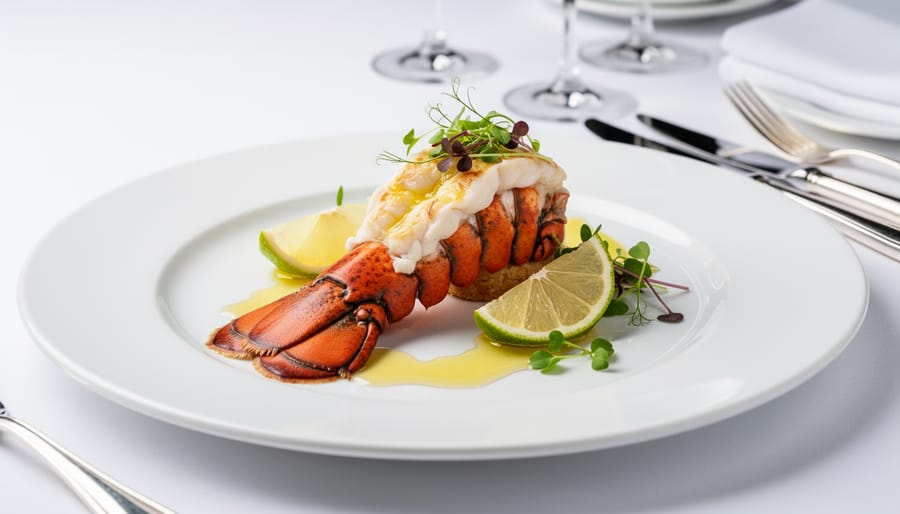
Confirming your lobster is properly cooked requires attention to several reliable indicators. The shell transforms into a vibrant, bright red hue, the most recognizable sign that the lobster has reached doneness. When you crack open the tail or claws, the meat should appear opaque white with subtle hints of pink, never translucent or gray. The texture offers another trustworthy cue: properly cooked lobster feels firm yet tender when you press it gently, resisting excessive squishiness but never turning rubbery.
For those who prefer precision, an instant-read thermometer inserted into the thickest part of the tail should register at least 135°F to 140°F. The tail-curl test provides a practical visual check as well, a cooked lobster tail curls noticeably under the body, though this indicator works best when combined with the color and texture observations above.
Timing your service depends entirely on your event presentation. For hot preparations, serve the lobster immediately after a brief resting period of two to three minutes, allowing the meat to settle while remaining warm. For chilled presentations, ideal for buffets, cocktail receptions, or summer gatherings, plunge the cooked lobster into an ice bath immediately after cooking to halt the process and lock in moisture and texture.
Accompaniments should enhance rather than overshadow lobster’s delicate, sweet flavor. Drawn butter remains the classic pairing, while fresh herbs such as tarragon, chives, or parsley add bright, complementary notes. Citrus wedges, lemon or lime, provide a refreshing counterpoint, and adventurous hosts might explore honey pairings that introduce subtle sweetness to balance the brininess of this premium ingredient.
Common Questions About Cooking Lobster
How much lobster should I plan per guest?
For events and gatherings, plan for 1 to 1.5 pounds of lobster per person to ensure generous portions that satisfy without excess. This range allows for elegant plating while accommodating the substantial shell weight that comes with whole lobster.
Should I use fresh water or salt water for boiling?
Salted water or seawater is preferred for boiling lobster, as the salt enhances the natural sweetness of the meat and seasons it gently during cooking. If using tap water, add quality sea salt to replicate the ocean environment.
What’s the difference in texture between boiling and sous vide?
Boiling produces firmer, more traditional lobster texture with distinct bite, while sous vide creates exceptionally tender, almost buttery meat with precise control over doneness. Sous vide at lower temperatures yields silkier results than any traditional method can achieve.
Can I cook lobster ahead for catered events?
Yes, you can cook lobster several hours ahead and chill it in ice water immediately after cooking to halt the process. For a corporate buffet or passed hors d’oeuvres, chilled lobster maintains its elegant texture and can be portioned, arranged, and held safely under proper refrigeration until service.
When serving lobster at refined gatherings, timing and preparation methods directly impact your guests’ experience. The answers above address practical considerations that caterers and hosts encounter regularly, from portion planning to advance preparation strategies that maintain quality while managing event logistics.
Mastering lobster preparation, through traditional boiling, gentle steaming, or precision sous vide, transforms premium ingredients into unforgettable culinary moments. Each method offers distinct advantages: boiling delivers classic elegance, steaming preserves delicate texture, and sous vide provides contemporary control. Success lies in selecting live, fresh lobsters and honoring proper technique rather than rushing the process.
When you apply these principles with care and confidence, expertly prepared lobster becomes the centerpiece that defines sophisticated gatherings. Whether you’re hosting an intimate dinner party, planning a wedding reception, or organizing a corporate celebration, this premium ingredient embodies the refinement and attention to detail that discerning hosts demand. Choose the approach that aligns with your culinary comfort and event vision, then elevate your event with results that honor both ingredient and occasion.