
Crafting an infused honey requires nothing more than selecting premium honey, your chosen flavoring ingredients, gentle heat, and patience. Within 15 minutes of active preparation and a two-week infusion period, you’ll transform simple honey into an elegant condiment worthy of your most refined entertaining occasions. The technique involves warming honey just enough to encourage flavor absorption without compromising its delicate enzymes, then allowing natural aromatics such as lavender, citrus, vanilla, or herbs to steep at room temperature.
This straightforward method delivers restaurant-quality results that impress guests at weddings, corporate gatherings, and intimate dinner parties. The beauty lies in its simplicity: high-quality honey acts as both preservative and flavor carrier, requiring no specialized equipment beyond a clean jar and a gentle heating source. Fresh ingredients are essential. Whether you choose fragrant herb sprigs from your garden, organic citrus peels, or whole spices, their quality directly influences the final product’s sophistication.
Infused honey serves countless applications, from drizzling over artisan cheese boards to sweetening craft cocktails and finishing roasted vegetables. The process accommodates dietary preferences effortlessly, remaining naturally gluten-free and adaptable to vegan entertaining when sourced appropriately. Once you master this foundational technique, you’ll discover endless variations that reflect seasonal ingredients and personal taste preferences, elevating your culinary repertoire with minimal effort and maximum impact.
What You’ll Need: Essential Tools and Fresh Ingredients
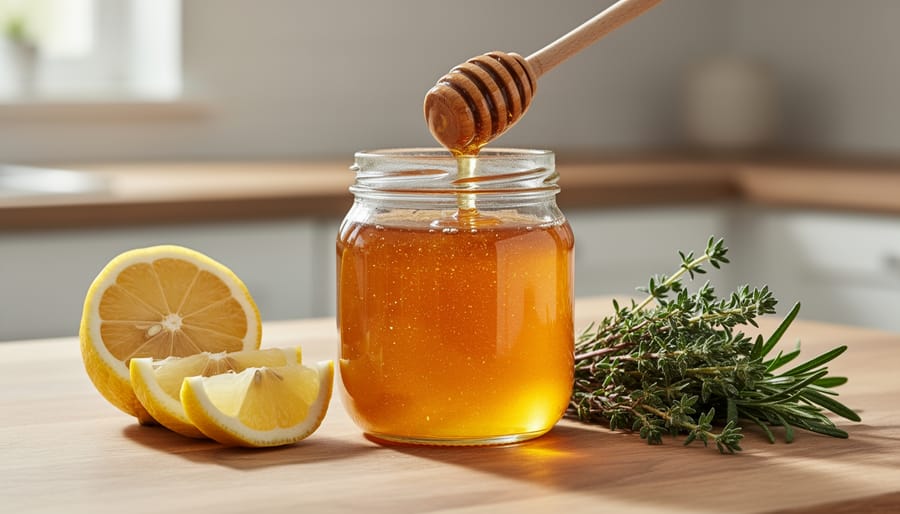
Creating an exceptional honey-based recipe begins with assembling the right tools and sourcing the finest ingredients your kitchen can offer. The beauty of this approach lies in its simplicity, you likely already own most of what you’ll need, allowing you to focus entirely on quality rather than quantity.
Your essential toolkit requires just a few reliable items: a medium stainless steel saucepan for gentle heating, a wire whisk to achieve silky consistency, precise measuring cups and spoons, a fine-mesh strainer for removing any impurities, and glass storage containers with tight-fitting lids to preserve freshness. Clean, sanitized glass jars work beautifully for both preparation and elegant presentation.
The ingredient selection determines whether your creation merely tastes sweet or delivers genuine sophistication. Start with premium raw or local honey as your foundation, the character of your finished recipe depends entirely on this choice, as explored in our guide to raw honey elegance. Seek out varieties with distinct flavor profiles: wildflower honey brings floral complexity, while buckwheat offers deep, molasses-like richness.
- Premium raw or local honey (8 ounces) with visible clarity and distinct aroma
- Fresh citrus (lemon, orange, or grapefruit) selected for vibrant color and firm texture
- Fresh herbs (thyme, rosemary, or lavender) with bright green leaves and potent fragrance
- Quality spices (cinnamon stick, whole cloves, or fresh ginger) chosen whole rather than pre-ground for maximum flavor
- Filtered water or premium vinegar depending on your recipe variation
These fresh components transform basic honey into something memorable. The citrus should feel heavy for its size, indicating juice content, while herbs must show no wilting or browning. This attention to ingredient quality separates home cooking from catered experiences where every element contributes to the overall impression.
Preparing Your Workspace and Ingredients Safely
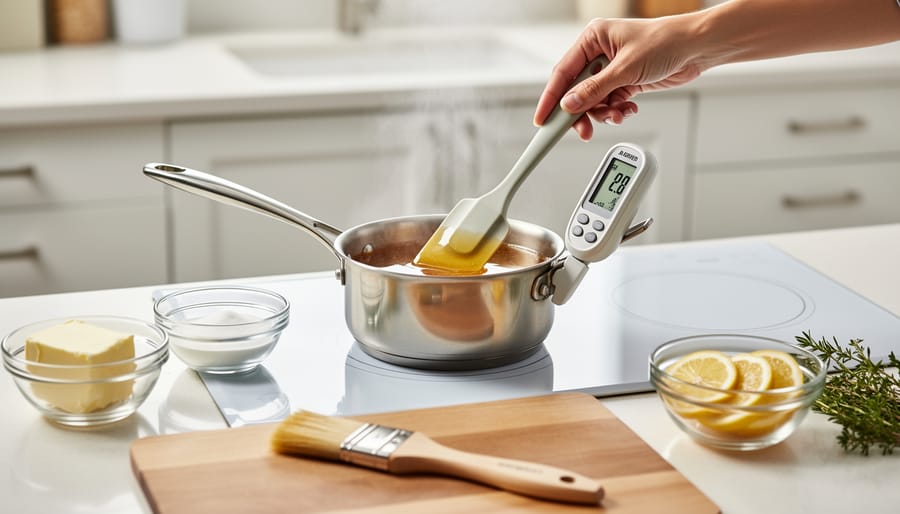
Begin by thoroughly washing all tools, whisk, saucepan, measuring cups, and storage containers, with hot soapy water, then rinse and dry completely. Any residual moisture or food particles can introduce bacteria that compromise your honey preparation, so cleanliness is paramount. Glass or stainless steel containers work best for storage, as they won’t absorb flavors or leach chemicals.
When your recipe requires gentle warming to incorporate ingredients, use the lowest heat setting and stir constantly. A double boiler offers the safest control, allowing you to monitor temperature closely and prevent scorching. If honey crystallizes during storage, a natural process that doesn’t indicate spoilage, simply place the sealed jar in warm (not boiling) water for 10 to 15 minutes, stirring occasionally until smooth.
For dietary accommodations, pure honey naturally suits gluten-free and dairy-free requirements, but vegans should substitute with agave nectar or maple syrup in equal proportions. Those with bee-related allergies must avoid honey entirely; agave provides a similar viscosity and subtle sweetness. Always verify ingredient labels when incorporating citrus, herbs, or spices, as cross-contamination during processing can introduce unexpected allergens. Proper preparation ensures your honey creation remains both safe and exquisite.
Step-by-Step: Crafting Your Honey Masterpiece
Balancing Flavors for Sophisticated Results
Achieving refined balance transforms a simple honey mixture into something worthy of an elegant table. Begin by tasting your base preparation, noting whether the sweetness feels one-dimensional or the honey’s natural floral notes dominate. The goal is layered complexity, not cloying sugar.
Fresh lemon juice provides the essential counterpoint to honey’s richness. Add it gradually, tasting after each teaspoon. The acidity brightens the entire profile, lifting heavy sweetness and bringing clarity to other flavors. For subtle sophistication, incorporate finely grated lemon zest alongside the juice, the oils in the zest contribute aromatic complexity that juice alone cannot achieve.
Aromatics elevate honey from pantry staple to gourmet ingredients territory. Fresh thyme introduces earthy, herbaceous notes that pair beautifully with savory applications. Rosemary offers pine-like intensity perfect for glazes on roasted proteins. For warmth and gentle heat, grate fresh ginger directly into the mixture, starting with small amounts. Each addition should whisper rather than shout.
International traditions offer inspiring direction. Mediterranean preparations favor oregano and orange. Middle Eastern kitchens combine honey with cardamom and rosewater. Asian-inspired versions incorporate ginger with sesame oil for depth. Consider your intended application when selecting aromatics, ensuring each component serves the final presentation.
Taste frequently throughout adjustment, allowing flavors to meld between additions. The mixture should feel balanced and complete, with no single element overwhelming the palate. This thoughtful calibration distinguishes everyday preparations from those suitable for refined occasions.
Testing and Perfecting Your Honey Creation
Your honey creation is ready to test once it reaches room temperature or your desired serving temperature. Dip a clean spoon into the mixture and observe how it flows, a perfect honey glaze should coat the back of the spoon and drip slowly in a smooth, continuous stream rather than running off immediately. The color should appear clear and luminous, whether you’ve created a golden citrus infusion or an amber herb-kissed drizzle.
Taste the recipe with a discerning palate, letting the honey linger to assess the balance between sweetness and any added aromatics. The flavor should feel harmonious, with no single element overpowering the natural complexity of the honey. If the sweetness feels cloying, a few drops of fresh lemon juice or a pinch of sea salt can restore equilibrium. Should the mixture taste too sharp, gently warm it again and incorporate a tablespoon of additional honey until balance returns.
Transfer your finished recipe to clean, dry glass jars with tight-fitting lids, which preserve both flavor and quality better than plastic containers. Store in a cool pantry away from direct sunlight, where most honey recipes maintain peak freshness for three to four weeks, and remain safe for consumption up to three months. If crystallization occurs naturally over time, place the sealed jar in a warm water bath, heating gently until the crystals dissolve back into smooth liquid.
For recipes that appear too thick after cooling, warm them briefly and whisk in a teaspoon of filtered water or additional citrus juice until you achieve the desired consistency. Conversely, mixtures that seem too thin benefit from gentle reduction over low heat, stirring continuously until the liquid evaporates and the honey concentrates to a luxurious, syrupy texture.
Serving Suggestions and Event Applications
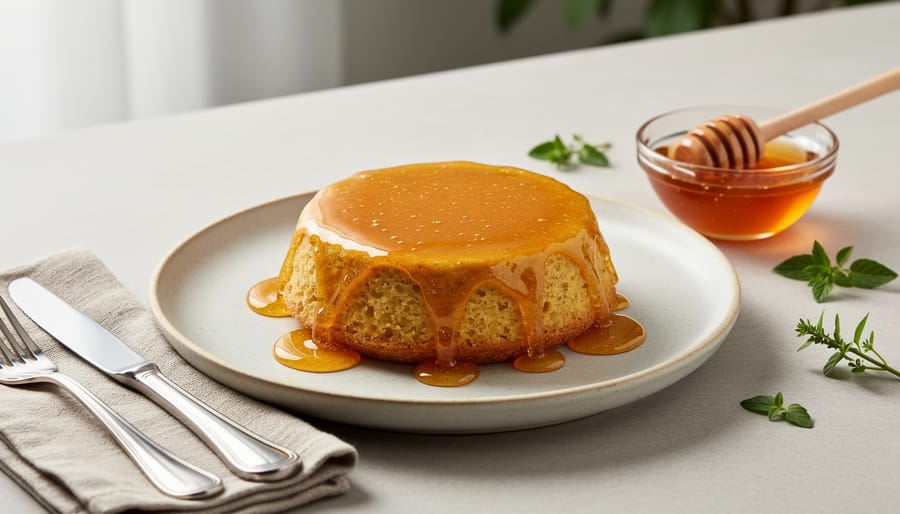
Your honey creation transforms ordinary presentations into extraordinary culinary moments. Drizzle it over artisan cheese and cured meats on a charcuterie board, where the golden sweetness balances sharp aged cheddar and prosciutto’s salt. For sophisticated dinner service, brush the glaze over roasted root vegetables fifteen minutes before they finish cooking, creating a lustrous caramelized coating that catches candlelight beautifully.
This versatile recipe elevates proteins with refined simplicity. Glaze salmon filets during the final minutes of roasting, or brush over chicken thighs fresh from the grill. The honey caramelizes gently, forming an amber finish that photographs exceptionally well for corporate events and wedding receptions.
In cocktail service, a teaspoon stirred into sparkling wine creates an elegant aperitif, while muddled with fresh mint and bourbon it becomes a conversation piece at private gatherings. For dessert presentations, drizzle over vanilla panna cotta, fresh berries, or artisan ice cream, the thin, glossy stream adds both flavor and visual drama.
Professional caterers incorporate modern honey recipes into menu planning because they accommodate dietary preferences while maintaining gourmet standards. This preparation scales effortlessly from intimate dinners for eight to wedding celebrations serving two hundred. Store individual portions in small glass cruets for self-service stations, or have service staff apply finishing drizzles tableside for maximum visual impact and personalized guest experience.
Common Questions About Easy Honey Recipes
Can I make this honey recipe ahead of time?
Yes, most honey-based preparations improve with time as flavors meld. Store in an airtight glass container at room temperature for up to two weeks, or refrigerate for longer shelf life, just bring to room temperature before serving for optimal consistency and aroma.
What type of honey works best for elegant presentations?
Premium raw or local honey delivers superior flavor complexity and reflects commitment to quality ingredients. Choose lighter varieties like acacia or clover for delicate dishes, or opt for darker buckwheat or wildflower honey when you want robust, earthy notes that complement savory applications.
How can I adapt this recipe for guests with dietary restrictions?
For vegan guests, substitute high-quality agave nectar or date syrup in equal proportions. Those avoiding certain allergens can omit citrus or nuts and enhance flavor with fresh herbs, ginger, or vanilla instead, the foundation remains beautifully versatile while accommodating diverse needs.
Can this honey recipe be scaled for large catered events?
Absolutely. Multiply ingredients proportionally and prepare in batches to maintain consistency. Professional culinary artistry relies on precise measurement and technique at any scale, so use the same careful attention to flavor balance whether crafting one cup or several gallons for wedding receptions or corporate gatherings.
These answers address practical concerns while emphasizing the sophistication and adaptability that distinguish elevated honey preparations from basic recipes. The techniques translate seamlessly from intimate home dinners to grand celebrations, giving hosts confidence that quality remains consistent regardless of scale or dietary accommodations.
Mastering this honey recipe opens a world of culinary possibilities, transforming simple gatherings into elegant experiences with minimal effort. The beauty lies in the quality of your ingredients, premium honey, fresh citrus, vibrant herbs, and your willingness to adjust flavors to suit the occasion. Whether you’re drizzling golden sweetness over a casual weekend brunch or crafting sophisticated glazes for an important celebration, these techniques translate effortlessly across settings.
Honey-based recipes possess remarkable versatility, adapting to seasonal ingredients and diverse palates while maintaining their refined character. As you grow confident with these foundations, consider how similar approaches elevate catered events, where attention to fresh ingredients and thoughtful flavor balance creates truly memorable dining moments. Your kitchen is now equipped to bring restaurant-quality sophistication to any table.